
Wendy Little | A Frog Named Toulouse
We are honoured to work with as many authors as we do at Pegasus Publishers – each with their own stories to tell. Their worlds are singular, their characters are relatable, and their creativity truly knows no bounds.
This is Author Life, a feature on the Pegasus Blog, that opens the door to each of our author’s creative process and previous literary experience, offering you – the reader – an opportunity to learn a little about the mind behind the novel.
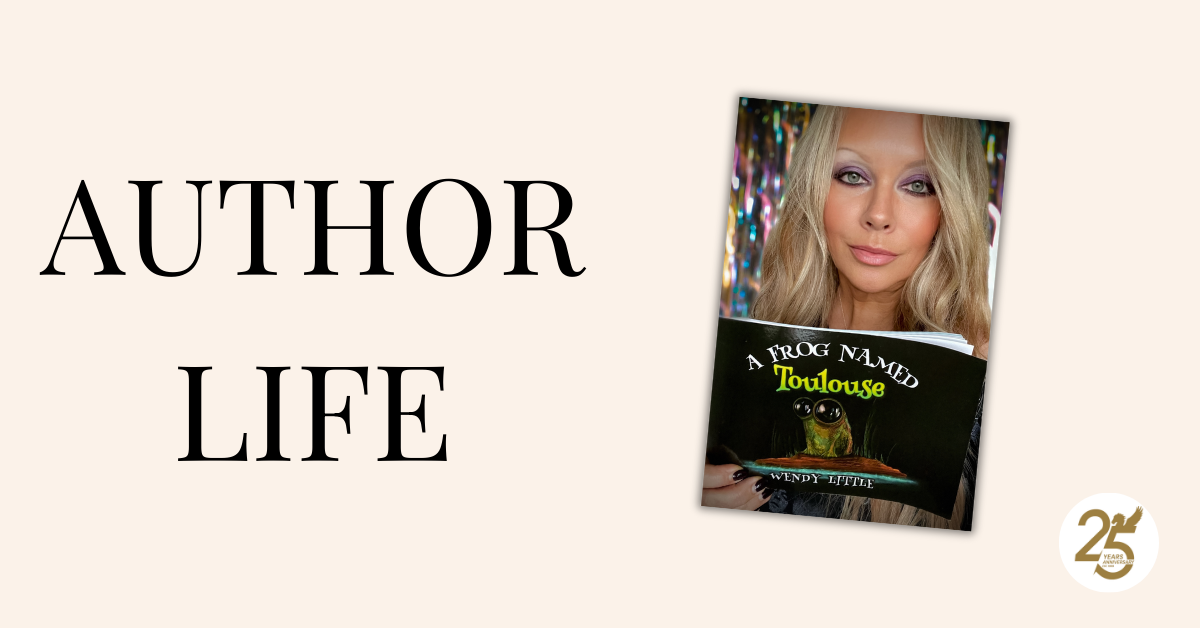
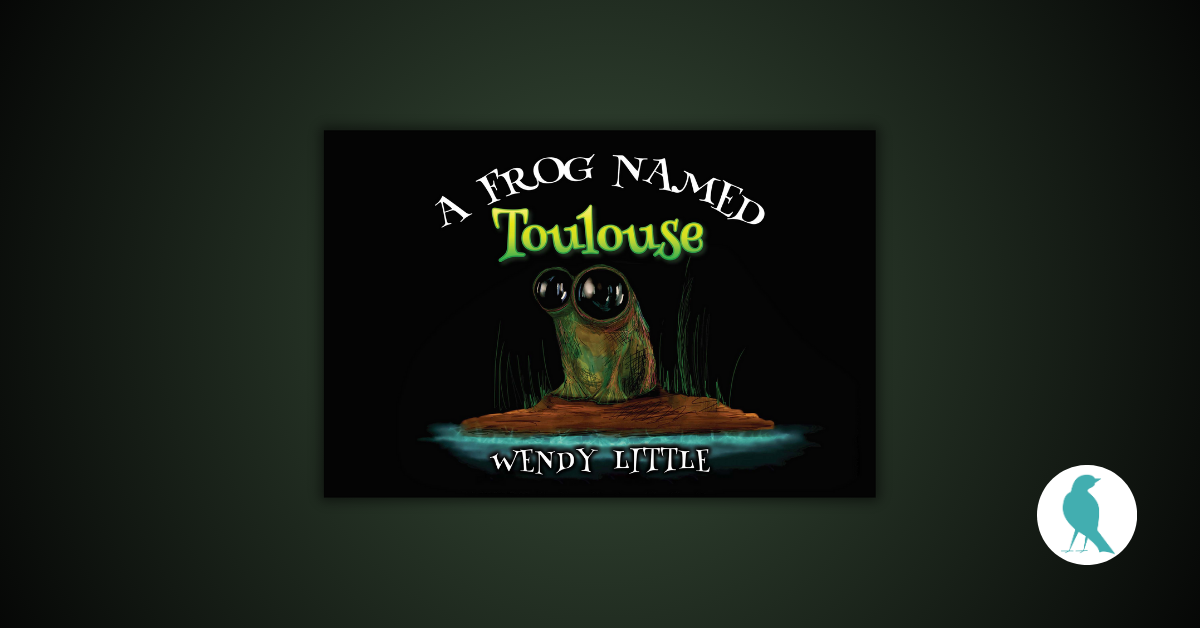
Meet Wendy Little, author of the children's book, A Frog Named Toulouse.
Could you tell us three interesting facts about yourself?
I have travelled to Transylvania.
I was the strength champion of my gym two years in a row, winning against both men and women.
All of the rescue cats I have adopted over the years have been black. They are the least adopted cats (not sure why, as they have all been amazing!). It’s hard for me to comprehend that people consider black cats to be unlucky or cursed.
In your own life, what influences and inspires you to write?
As a music journalist, I covered concerts and wrote feature articles - mostly about specific bands/musicians. In writing my children’s books, I am influenced by my love of animals and my own memories of being a child.
I was fortunate enough to live in a home that had a huge back yard. Deer were frequent visitors, as were opossums, raccoons, groundhogs, cats, hawks, and even turkey vultures. I was able to witness firsthand how animals acted in nature, and how they interacted with each other. There are so many stories out there - some are just too small for many people to notice.
Which book or author has had the biggest impact on you, and why?
There are so many, but I would have to say that Charlotte’s Web by E. B. White had the biggest impact on me. I love this book because it shows friendship, kindness, and sacrifice. Charlotte gave absolutely everything she had to save her friend Wilbur. This book also introduces the subject of death. I appreciate the fact that E.B White didn’t ‘talk down’ to children. He treated children with respect. E. B. White’s words made me really think about animals as equals.
Of course, I liked his book Stuart Little. I thought Stuart and I might be related because we shared the same surname.
I also have to give some thanks to John Lennon. l loved the way John Lennon played with words. I remember reading Lennon’s In His Own Write for the first time and smiling.
Can you tell me about the book?
I was helping my friend dig a larger pond for his house in Kent - it was quite a project. Once the pond had been lined and filled with water, we could celebrate their new and improved home.
It was interesting to watch all of the other wildlife that benefited from the pond. There were newts, birds, foxes, hedgehogs, toads, and frogs. There was a very handsome frog, and he was part of my inspiration for Toulouse. Where we are in Kent is geographically not far from the shores of France, as the crow flies.
Chef was created in honour of a baker I used to see when I lived in London - West Hampstead. When we passed the bakery in the morning, the baker, who wore a rather interesting toupee, was neat and tidy. By the end of the day, his toupee was wild and unkempt. Part of his toupee had sideburns. The steam from the bakery made his sideburns curl away from his head by the end of the day.
What were your first experiences with writing?
I won a poetry contest in my hometown when I was eight years old. I believe the mayor read it aloud at an event on St. Patrick’s Day!
In your opinion, what are the key ingredients for a good story or novel?
In my experience, I like it when characters who might not necessarily be the nicest players in the bunch end up showing some sort of atonement by the end of the story. That being said, I also like the Brothers Grimm. Their stories are not sugar-coated, which I appreciate. I’ve always felt that some authors ‘dumb things down’ for children. Children are a lot brighter than most people realise.
How long should an author spend on their craft each day?
Writing comes very naturally for me - I actually have fun writing. I am also the illustrator. I spend more time on my illustrations. It’s a tricky thing - words can create different images for different people. What I see in my mind is not necessarily what another person might imagine after reading my words. I do my best with my illustrations to convey what I envision with my words.
Every author is different, as is every story, so I don’t know that there are any specific timeframes for writing each day.
What was the most challenging part of writing this book, and what did you learn from writing it?
Writing the book was very easy and very natural. Illustrating the book took a little longer. Words create different images for different people. I can only draw what I see in my mind when writing the words. I hope people enjoy the images I create.
What common pitfalls should aspiring writers avoid?
I feel people need to be true to themselves. Your own voice is very unique. Don’t try to be anyone other than yourself. Nobody can be Dr. Seuss better than Dr. Seuss.
What writing advice would you offer to your younger self?
Keep your imagination alive.
A Frog Named Toulouse is available now in paperback.
MORE FROM THE BLOG
-
Author Life with Howard Siskind
We are honoured to work with as many authors as we do at Pegasus Publishers – each with their own stories to tell. Their worlds are singular, their characters are relatable, and their creativity truly knows no bounds. This is Author Life, a featur...
read more -
Author Life with Brandon Hultman
We are honoured to work with as many authors as we do at Pegasus Publishers – each with their own stories to tell. Their worlds are singular, their characters are relatable, and their creativity truly knows no bounds. This is Author Life, a feature on the Pegasus Blo...
read more