We are honoured to work with as many authors as we do at Pegasus Publishers – each with their own stories to tell. Their worlds are singular, their characters are relatable, and their creativity truly knows no bounds.
This is Author Life, a feature on the Pegasus Blog that opens the door to each of our author’s creative process and previous literary experience, offering you – the reader – an opportunity to learn a little about the mind, or minds, behind the novel.
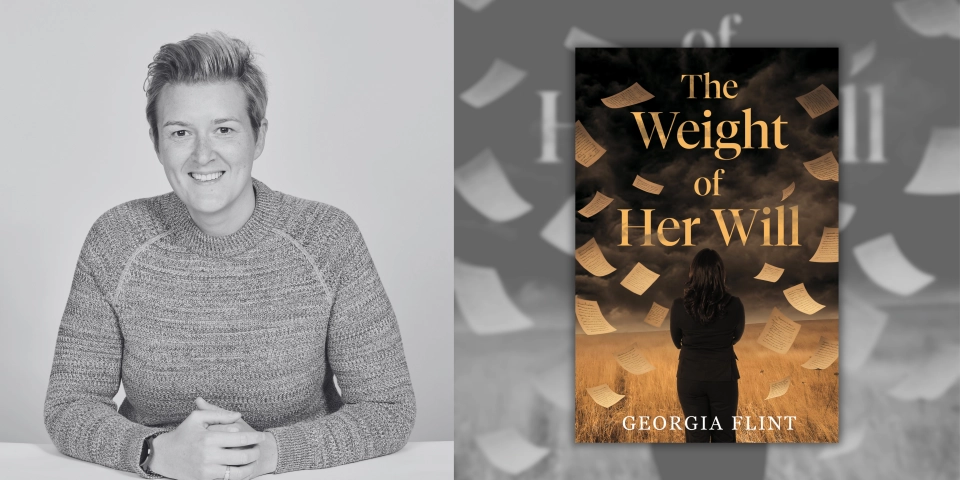
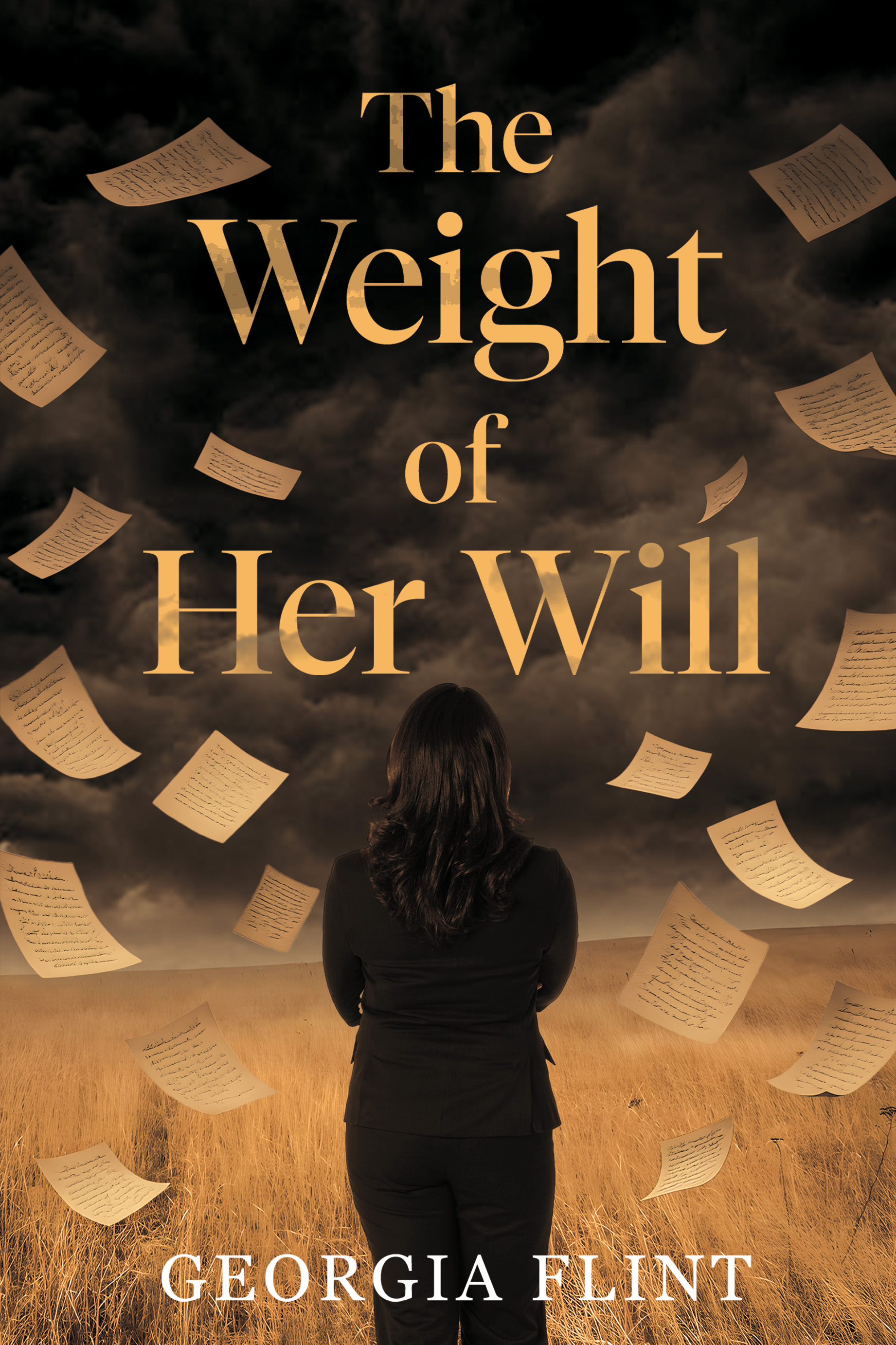
Georgia Flint is the author behind the deeply emotional queer story ‘The Weight of her Will’.
What are the three most important things you have accomplished, aside from publishing a book?
1. Building a successful career alongside my passion for writing. I've always believed creativity and ambition can
2. Overcoming significant health challenges that reshaped my perspective on life. Those experiences taught me resilience, empathy and the importance of finding hope, even in difficult circumstances.
3. Using those experiences to give something back through charity fundraising and advocacy. Supporting causes that improve the lives of others has become one of the most rewarding parts of my life.
In your own life, what influences and inspires you to write?
I'm inspired by the fact that people are human. We are all messy, flawed and shaped by our experiences. We make mistakes, we hurt the people we love, and sometimes we find ourselves carrying burdens we never expected. In a world where so much of life is carefully curated and perfection is often celebrated; I think authenticity and vulnerability have become increasingly rare. That's what draws me to write. I am interested in the emotional truths that sit beneath everyday life. Particularly the complexities of family, relationships, grief, resilience and identity. I hope my stories remind readers that it's okay not to have all the answers, and that there can be hope, healing and humanity even in our most difficult moments.
What book or author has had the biggest impact on you and why?
If I had to choose one book, it would be Pride and Prejudice. Studying it for my GCSEs was the moment I truly fell in love with literature, thanks in no small part to some wonderful English teachers who taught me to look beyond the plot and think about character, relationships and what a story is really trying to say. That fascination only grew through A Level English Literature, where I loved exploring texts such as Pat Barker's Regeneration and Tennessee Williams' A Streetcar Named Desire. When I was younger (and I mean YOUNGER) I regularly 'borrowed' my Gran's Catherine Cookson and Josephine Cox novels when I was far too young to be reading them. Looking back, they were definitely a little more raunchy than I should have been exposed to, but they gave me an early appreciation for big emotions, complicated families and characters who felt wonderfully human. Those are still the stories I love most.
How would you summarise your book?
How far would you go for a child who isn't yours?
What were your first experiences with writing?
I have always loved stories. At school, creative writing was my favourite part of English lessons and I looked forward to every story-writing task. I had a vivid imagination, but I never really knew how to harness it. For a long time, I lacked the confidence to believe I could turn those ideas into something worth sharing. Life eventually took me in a different direction and, perhaps ironically, I now write for a living, but in a very technical way. My days are spent writing bids and proposals, so fiction has become my creative outlet. Before writing novels, I also spent time reviewing theatre, which deepened my appreciation for storytelling and the power of character, dialogue and emotion. Writing fiction allows me to explore the beautifully messy realities of being human in a way that technical writing never can.
In your opinion, what are the key ingredients for a good story or novel?
For me, everything begins with believable characters. I don't think people are simply good or bad, we are all flawed, contradictory and shaped by our experiences. Those are the characters I find most interesting to read and to write. A great story doesn't need constant twists or dramatic events. It needs emotional honesty. I want to care about the people on the page, understand why they make the choices they do, even when those choices are messy or difficult. If a story can make a reader laugh, cry, question their own assumptions or see a situation differently, then I think it's done something special. The books that stay with me long after I've finished them are always the ones that feel deeply human.
How long do you spend writing every day?
Not nearly as much as I'd like! I have a full-time career, so writing has to fit around everything else. Some weeks I don't write at all, and then I'll have a weekend where I disappear into my manuscript for hours. I've stopped chasing the perfect writing routine and learnt to write whenever life gives me the opportunity.
How long did you spend writing this novel?
I started the novel several times before I realised I was trying to write the wrong story. There was a lot of soul-searching along the way, and it took time to discover the right voice and perspective. Once everything finally clicked into place, I wrote the first draft in around ten months. Looking back, finding the courage to write the story was every bit as important as writing it.
What was the most challenging part of writing this book, and what did you learn from writing it?
The most challenging part was writing the scenes that were rooted in real emotional experiences. Although The Weight of Her Will is a work of fiction, many of the emotions explored in the novel came from places I understood personally. That made parts of the writing process incredibly confronting because I found myself processing those emotions as I wrote. At the same time, it was also deeply cathartic. Writing taught me that storytelling can help us make sense of experiences that don't always have easy answers. It also reminded me that vulnerability isn't a weakness. Some of the most meaningful stories are born from the courage to explore difficult emotions with honesty and compassion.
What did you find most helpful when writing this book?
Giving myself permission to take my time. I realised quite early on that I couldn't force the story; it had to evolve naturally. There was a great deal of soul-searching along the way, and some chapters took far longer to write than others because I needed to understand the emotional truth behind them before I could put them on the page. I also learnt not to chase perfection. Some days the words flowed, and other days they didn't. Accepting that writing is a process, rather than expecting every chapter to be perfect the first time, made all the difference.
What writing advice would you offer to your younger self?
Stop waiting until you feel ready. Perfection is an impossible standard, and fear of failure has a wonderful way of convincing you not to start at all. Trust your instincts, write the story that's in your heart, and don't worry so much about whether anyone else will like it. I'd also tell my younger self that the most meaningful stories aren't the ones that pretend people are perfect. They're the ones that embrace how wonderfully flawed, complicated and human we all are. Write the story you are scared to write. That's probably the one people need to read...



18 September, 2026