We are honoured to work with as many authors as we do at Pegasus Publishers – each with their own stories to tell. Their worlds are singular, their characters are relatable, and their creativity truly knows no bounds.
This is Author Life, a feature on the Pegasus Blog that opens the door to each of our author’s creative process and previous literary experience, offering you – the reader – an opportunity to learn a little about the mind, or minds, behind the novel.
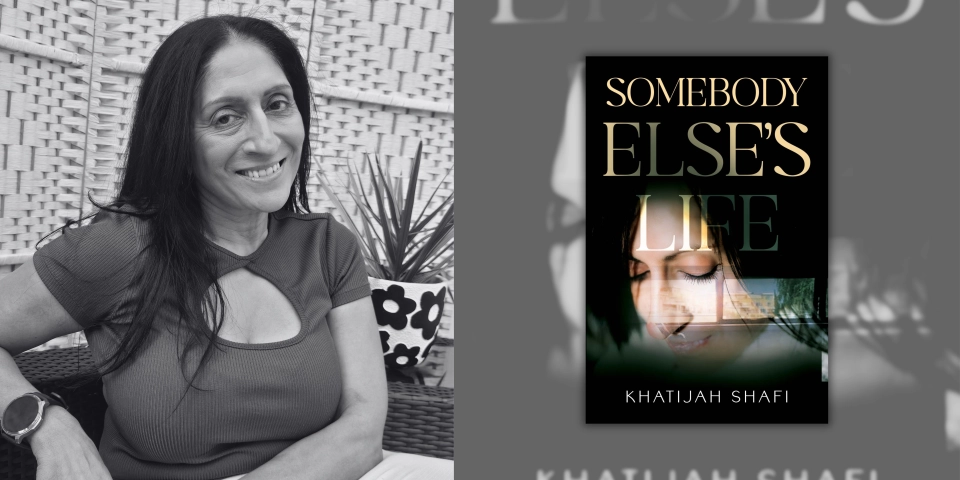
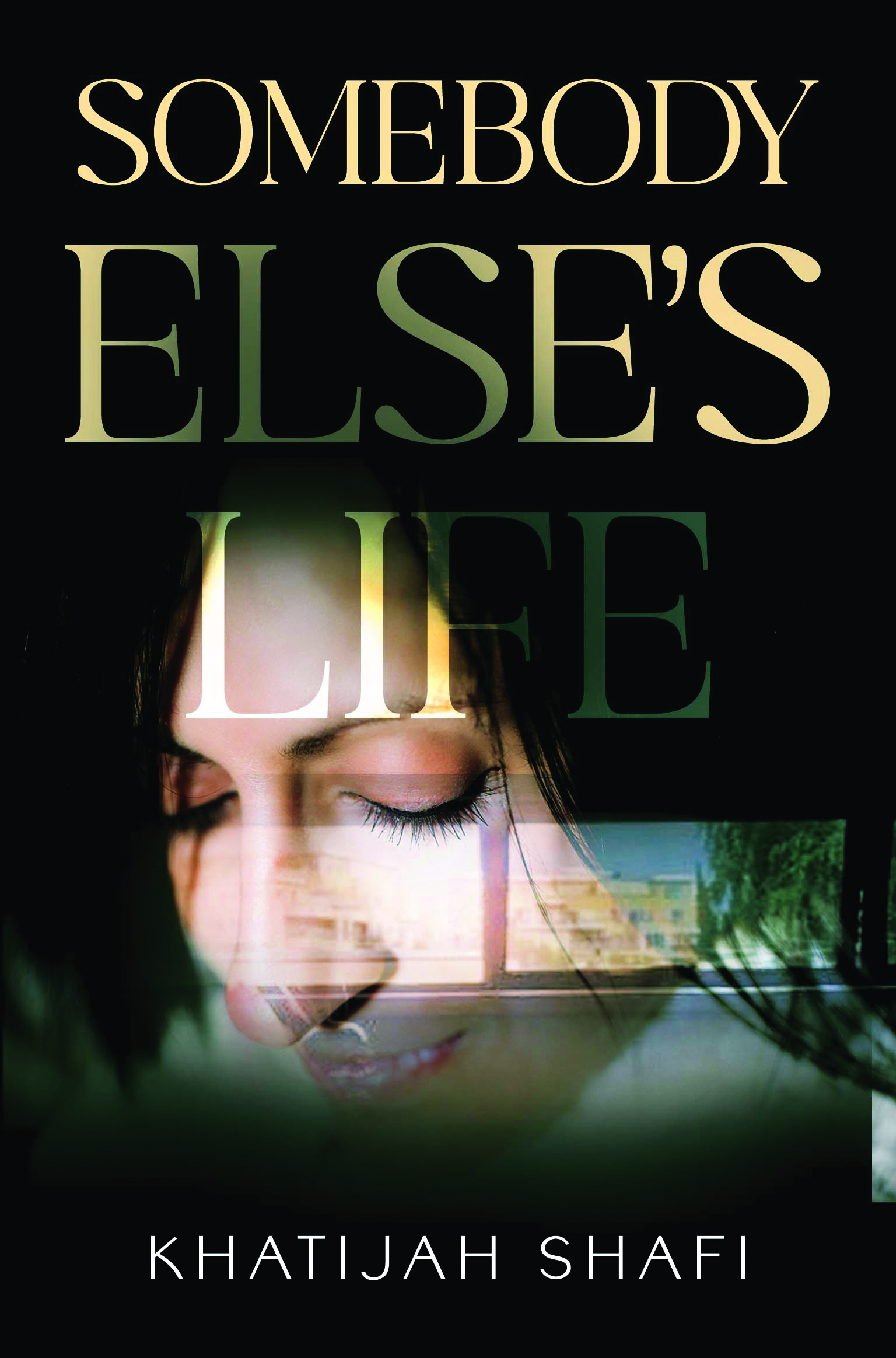
Khatijah Shafi is the author behind the evocative memoir ‘Somebody Else's Life’.
What are the three most important things you have accomplished, aside from publishing a book?
The three accomplishments I am proudest of are building a successful career, achieving complete financial independence, and having the privilege of being a step-parent. My career represents years of perseverance, resilience and refusing to accept limitations placed on me by others. Financial independence gave me something even more valuable than security—it gave me freedom and choice. And being a step-parent taught me lessons about love, patience, responsibility and connection that continue to shape who I am today. Of all three, perhaps the most meaningful is that they reflect a life I built for myself. None of them were guaranteed, and each one represents a chapter in my journey towards becoming the person I wanted to be.
In your own life, what influences and inspires you to write?
People inspire me. I am endlessly fascinated by the strength, complexity and resilience of ordinary people facing extraordinary circumstances. Writing has always been my way of understanding both myself and the world around me. At its heart, my desire to write comes from wanting to leave something positive behind. If a story, a sentence or even a single page can make someone feel understood, inspired or less alone, then it has served a purpose. I believe stories have the power to change perspectives, start conversations and sometimes even change lives. That possibility continues to inspire me every time I sit d
What book or author has had the biggest impact on you and why?
Two books stand out for very different reasons: Not Without My Daughter by Betty Mahmoody and Memoirs of a Geisha by Arthur Golden. One is non-fiction and the other fiction, but both captivated me because of the remarkable journeys of their female protagonists. Their resilience, determination and refusal to surrender themselves in the face of immense challenges resonated deeply with me. Long before I became an author, I was drawn to stories about women navigating impossible circumstances and finding the strength to endure, adapt and ultimately reclaim their lives. Looking back, I can see how those themes influenced not only my reading but also the story I eventually felt compelled to tell.
How would you summarise your book?
A story of courage, freedom and reclaiming a life that others chose for you.
What were your first experiences with writing?
I started writing in my early teens. I was a prolific reader and was rarely without a book in my hand. Writing became a way to process my thoughts, feelings and experiences. I filled journals with observations, poems and reflections, often inspired by whatever emotions I happened to be experiencing at the time. Like many teenagers, I also wrote poetry about crushes, heartbreaks and dreams for the future. Looking back, I think I probably wrote a poem about every crush I ever had. A few years ago, I revisited some of those poems and was pleasantly surprised by how much they still resonated with me. That led me to self-publish a small collection through Kindle. It reminded
In your opinion, what are the key ingredients for a good story or novel?
For me, the most important ingredient is connection. Readers may begin a book because of an interesting premise, but they stay because they care. They want to feel connected—to the characters, to the emotions and ultimately to the story itself. A good story should draw readers in and make them forget they are reading. It should create curiosity, evoke emotion and leave them thinking about it long after they have turned the final page. Whether fiction or non-fiction, the stories that stay with us are the ones that make us feel something.
How long do you spend writing every day?
When I finally committed to finishing the book, I treated it almost like a full-time job. For approximately six months, I spent around six hours a day writing, editing, researching and refining the manuscript. Once I immersed myself in the story, it became difficult to think about anything else. There were days when the words flowed easily and days when they did not, but showing up consistently was what ultimately enabled me to finish the book.
How long did you spend writing this novel?
The answer depends on where you start counting. In 2012, I wrote the first complete draft in just six weeks. At the time, I had the space and opportunity to focus intensely on the project, and the story poured onto the page. Then I put it away. For years, I barely looked at it. The truth is that writing a memoir requires more than time—it requires readiness. I had written the manuscript, but I was not yet ready to publish it. More than a decade later, I returned to the story with fresh perspective, completed the work and finally prepared it for publication. In many ways, the book took six weeks to write and more than a decade to finish.
What was the most challenging part of writing this book, and what did you learn from writing it?
The most challenging part of writing this book was revisiting experiences I had spent years trying to leave behind. I knew that if I wanted to tell the story honestly, I would have to return to some difficult places emotionally, and I was genuinely afraid of what that might bring up. Before I tackled those sections, I sought support to make sure I was mentally and emotionally prepared for the journey. That proved to be one of the best decisions I made. What I learned is that courage is not the absence of fear; it's moving forward despite it. I also learned that our stories can change over time. What once felt like pain and loss eventually became a story of resilience, growth and freedom. Writing the memoir showed me just how far I had c
What did you find most helpful when writing this book?
One of the most helpful influences was speaking with author Mary-Beth Hosking. Before we met, she encouraged me to read Published by Chandler Bolt. That recommendation fundamentally changed how I approached the process of publishing and helped me think differently about bringing a book into the world. More importantly, she provided practical advice, encouragement and confidence at a time when I needed it. Sometimes one conversation with someone who has already travelled the path can make the journey feel far less overwhelming.
What writing advice would you offer to your younger self?
For a long time, I thought the advice would be simple: "Write it sooner." But with hindsight, I do not believe that. Stories arrive when they are ready—and so do writers. I needed time to gain perspective, heal, grow and understand what the story truly meant. I needed to be ready not only to write it, but also to publish it and share it with the world. So the advice I would give my younger self is this: Trust your timing. Keep writing. Keep believing in your voice. The story will find its moment when you are ready to tell it. That moment, for me, is now.


04 September, 2026