We are honoured to work with as many authors as we do at Pegasus Publishers – each with their own stories to tell. Their worlds are singular, their characters are relatable, and their creativity truly knows no bounds.
This is Author Life, a feature on the Pegasus Blog that opens the door to each of our author’s creative process and previous literary experience, offering you – the reader – an opportunity to learn a little about the mind, or minds, behind the novel.
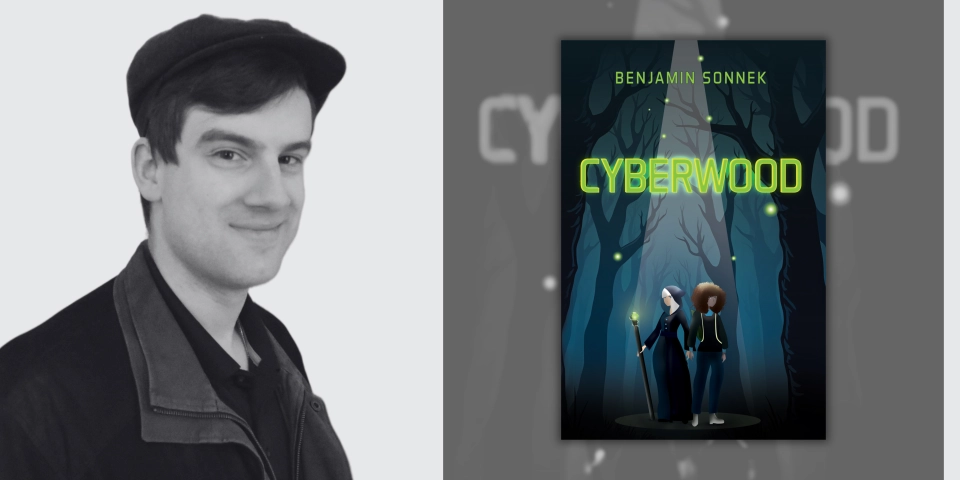
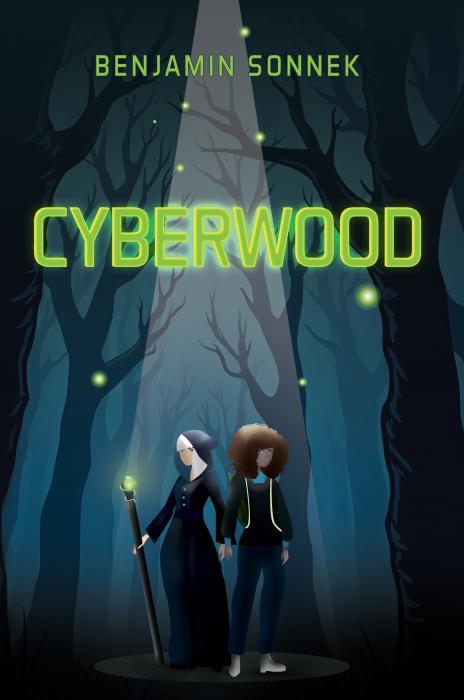
Benjamin Sonnek is the author behind the young adult fantasy fairy tale retelling ‘Cyberwood’.
What are the three most important things you have accomplished, aside from publishing a book?
I somehow convinced my wife to marry me and raise children together. I've held down a career in community journalism, winning awards for my columns and photography. I earned my second-degree black belt in Tae Kwon Do before college.
In your own life, what influences and inspires you to write?
What inspires me? I'm being held hostage by my own characters; they lure me in with their smart mouths and an intriguing, vaguely horrifying worlds, and then they grab me by the collar and shake me until I write down what happens. "I don't know how the story ends yet," I protest, but they don't care. (Seriously, I once wanted to draft a sequel manuscript, but I was waylaid by a colorful gang of space pirates in the year 2141, and they wouldn't leave until I'd broken basic physics for them. Send help.)
What book or author has had the biggest impact on you and why?
Oh lordy, that's a long list. In no particular order... - G.K. Chesterton; everyone should read the essays "Cheese" and "On Running After One's Hat" at a minimum, as well as his Father Brown mystery stories. - Rick Riordan; it was an honor to grow up with the original "Percy Jackson and the Olympians" series. - C.S. Lewis; The Chronicles of Narnia are terrific, of course, but I also love "The Screwtape Letters," "Till We Have Faces," and "That Hideous Strength." - Bill Watterson; I owe much of my sense of humor and vocabulary to the "Calvin & Hobbes" comics. - Jeff Smith; The "Bone" graphic novels are absolute brilliance.
How would you summarise your book?
Think "Little Red Riding Hood," but the forest itself is the wolf.
What were your first experiences with writing?
I started seriously writing in 2013, during which I wrote terribly. I like to think I've outgrown that stage, but that's for you to decide.
In your opinion, what are the key ingredients for a good story or novel?
Fads and styles come and go, but from what I've seen, the most critical ingredient for a story is that the author be genuine. Don't force the story; let it do its thing, even if it challenges you and your mindset.
How long do you spend writing every day?
I'm a slow writer who writes for a living. The delicate answer to this question is "Hours."
How long did you spend writing this novel?
This was one of my fastest-written novels, considering it started as a project for National Novel Writing Month in November 2018 and I was still a bachelor. I wrote about half of it for NaNoWriMo and then wrapped it up in January 2019. Rest assured, though, that I nitpicked it for years before it even reached editors' hands.
What was the most challenging part of writing this book, and what did you learn from writing it?
That would be embarking into a manuscript project at full speed without entirely knowing how it's going to end. This method has since become the main method by which I write all my manuscripts, though; to be honest, it helps the story unfold more organically. If you think my plot twists are surprising, just imagine how much they shocked me first.
What did you find most helpful when writing this book?
During writing? Holding myself accountable to daily word count goals, as well as keeping a journal full of notes for character and worldbuilding concepts in new worlds. After writing? Honest and supportive beta readers.
What writing advice would you offer to your younger self?
"Be grateful for those rejection letters; they'll allow you to keep honing your craft. Also, cut back on em dashes and starting sentences with 'And,' and I have this list of common filler words to avoid..."


02 July, 2026