We are honoured to work with as many authors as we do at Pegasus Publishers – each with their own stories to tell. Their worlds are singular, their characters are relatable, and their creativity truly knows no bounds.
This is Author Life, a feature on the Pegasus Blog that opens the door to each of our author’s creative process and previous literary experience, offering you – the reader – an opportunity to learn a little about the mind, or minds, behind the novel.
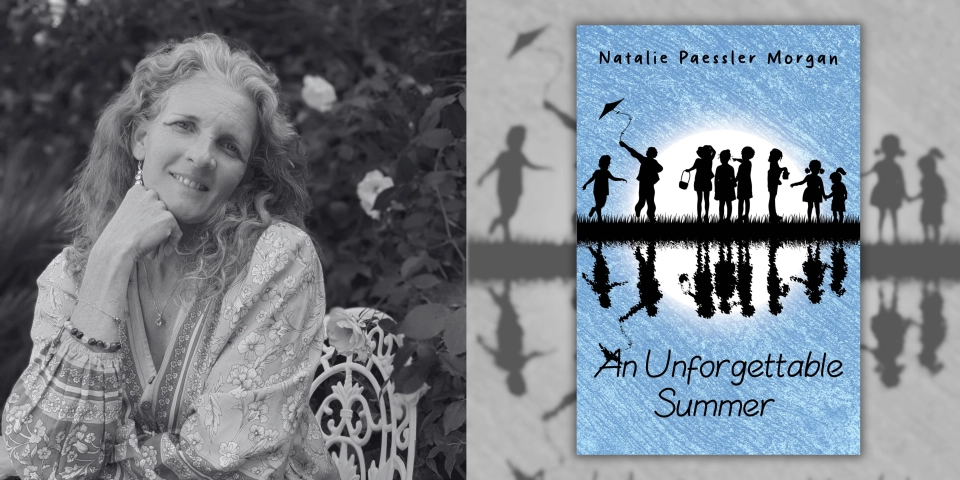
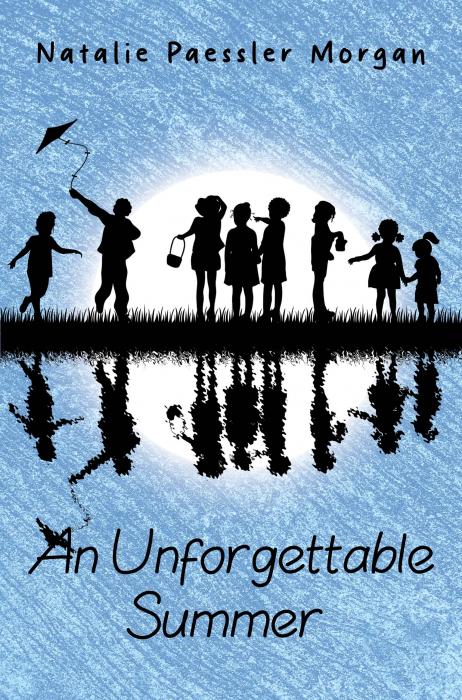
Natalie Paessler Morgan is the author behind the middle grade adventure book ‘An Unforgettable Summer’.
What are the three most important things you have accomplished, aside from publishing a book?
Crossing the Atlantic in a sailboat at twenty years old with two complete strangers taught me more about courage, trust, and freedom than any classroom ever could. Following in my grandfather´s footsteps to earn my private pilot´s licence allowed me to reconnect with his adventurous spirit every time I took to the skies. But above all, my greatest accomplishment has been becoming the proud mother of four incredible children, who continue to teach me about love, resilience, and the beauty of watching people grow into themselves.
In your own life, what influences and inspires you to write?
I have always loved creative writing and the freedom of letting my thoughts flow onto paper. Even while sailing across the ocean, instead of keeping a diary, I found myself writing a short novel simply for the joy and escape that writing brings me. The inspiration behind this particular book came from my eldest daughter. I wanted to create an adventure story featuring her as the main character in the hope of encouraging her love for reading. What began as one story soon grew into seven, each one inspired by my children and filled with adventures they could imagine themselves living as they turned the pages.
What book or author has had the biggest impact on you and why?
As a child, I struggled with reading and rarely finished a book from beginning to end. That changed when I discovered Enid Blyton’s The Famous Five and Secret Seven series. For the first time, I felt completely immersed in the adventures, as though I were travelling alongside the characters myself. Those books transformed reading from something difficult into something magical. I truly believe Enid Blyton’s stories were what made me fall in love with reading, and they later inspired me to create that same sense of adventure and imagination for my own children through my writing.
How would you summarise your book?
A family summer holiday at their lakeside cabin sends ten-year-old Carolina, alongside her sister, cousins, and close friends, relentlessly striving to uncover a long-lost Odawa treasure before it falls into the wrong hands.
What were your first experiences with writing?
As long as I can remember, I have always loved inventing stories, whether orally during hikes when my children were young and tired—encouraging them to keep going—or in writing, to entice them to enjoy reading. As a teacher, I have also created my own teaching materials, including a collection of 13 educational books featuring a magical caterpillar that teaches young children the basics of the English language through colours, animals, numbers, food items, and more. However, until now I have only used my literary creations for personal and educational purposes.
In your opinion, what are the key ingredients for a good story or novel?
In my opinion, the key ingredients of a good story or novel are vivid, descriptive language and emotional depth. Strong descriptions help the reader truly experience the story—allowing them to see, smell, feel, and live what the characters are going through. At the same time, it is important to maintain a balance and avoid overloading the text with unnecessary detail, as this can slow the reading flow and make the story less engaging. A good story should therefore be both immersive and well-paced, drawing the reader in without overwhelming them.
How long do you spend writing every day?
When I am writing a novel, I can easily spend almost three hours at a time writing without stopping to complete a chapter. I usually wait until the evening, when everyone is in bed, so I have the quiet space to let my thoughts flow freely onto the page. Depending on the time and how I feel, I may choose to reread and edit what I have written the same night, or leave it until the following day before beginning the next chapter.
How long did you spend writing this novel?
I wrote this novel around ten years ago, and my rough estimate is that it took me about a month and a half to complete. During that time, I also created approximately 25 pencil drawings to accompany the text, which added to the overall process.
What was the most challenging part of writing this book, and what did you learn from writing it?
As the book was originally written for my children and not intended for publication, I did not experience any particular challenges during the initial writing process. However, when my children later encouraged me to have it published and I reread it, I found it challenging to not begin changing the structures of my sentences and just stick to the original piece, just as I do with an oil painting each time I peer at it, I find something I feel I should touch up on. Another stuggle I had was my worry about whether readers would fully understand what I was trying to express and whether they would be able to imagine the scenes as I did.
What did you find most helpful when writing this book?
I enjoyed many adventures as a child myself. The scenery, smells, sounds, and activities are so deeply embedded in my memory that I found great pleasure in describing them on paper. I also enjoyed the challenge of finding the perfect words to express these experiences, as I knew exactly what I wanted to convey.
What writing advice would you offer to your younger self?
I would tell my younger self to keep writing about life´s experiences, inventing stories, inspiring people, anything that fills the mind with ideas. I would encourage myself to always write from a place of simple passion, rather than focusing on what type of book is currently selling the most. I would also remind myself to trust my own voice. With the rise of AI, I believe many writers may begin to doubt their writing skills and rely too heavily on what AI suggests is the “best” way to write, rather than valuing their own chosen words and style. It is important not to lose that unique voice, because writing should come from a genuine love of storytelling—not from external influence or automated rewriting. Finally, I would tell myself that I should have published my book earlier by letting go of the fear of judgment or of “getting it wrong.” Instead, I should have simply enjoyed the experience of sharing my own creation with others.



14 June, 2026