We are honoured to work with as many authors as we do at Pegasus Publishers – each with their own stories to tell. Their worlds are singular, their characters are relatable, and their creativity truly knows no bounds.
This is Author Life, a feature on the Pegasus Blog that opens the door to each of our author’s creative process and previous literary experience, offering you – the reader – an opportunity to learn a little about the mind, or minds, behind the novel.
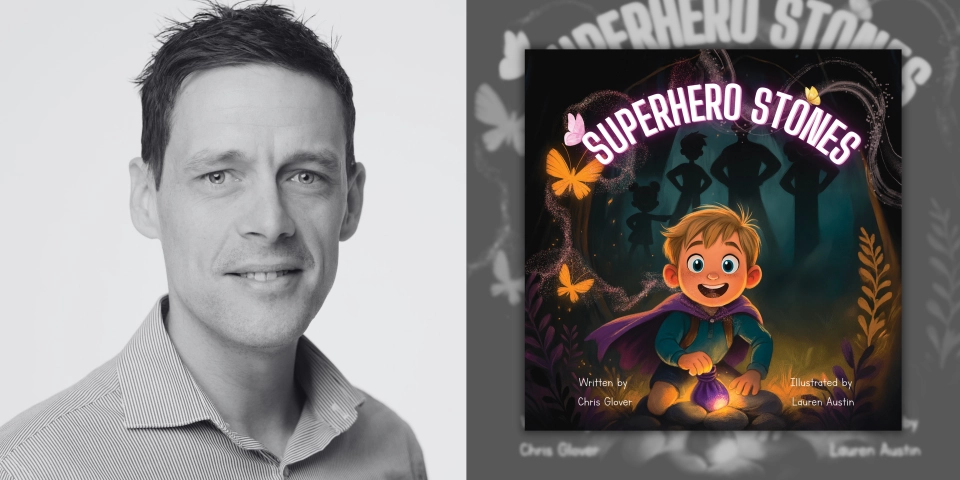
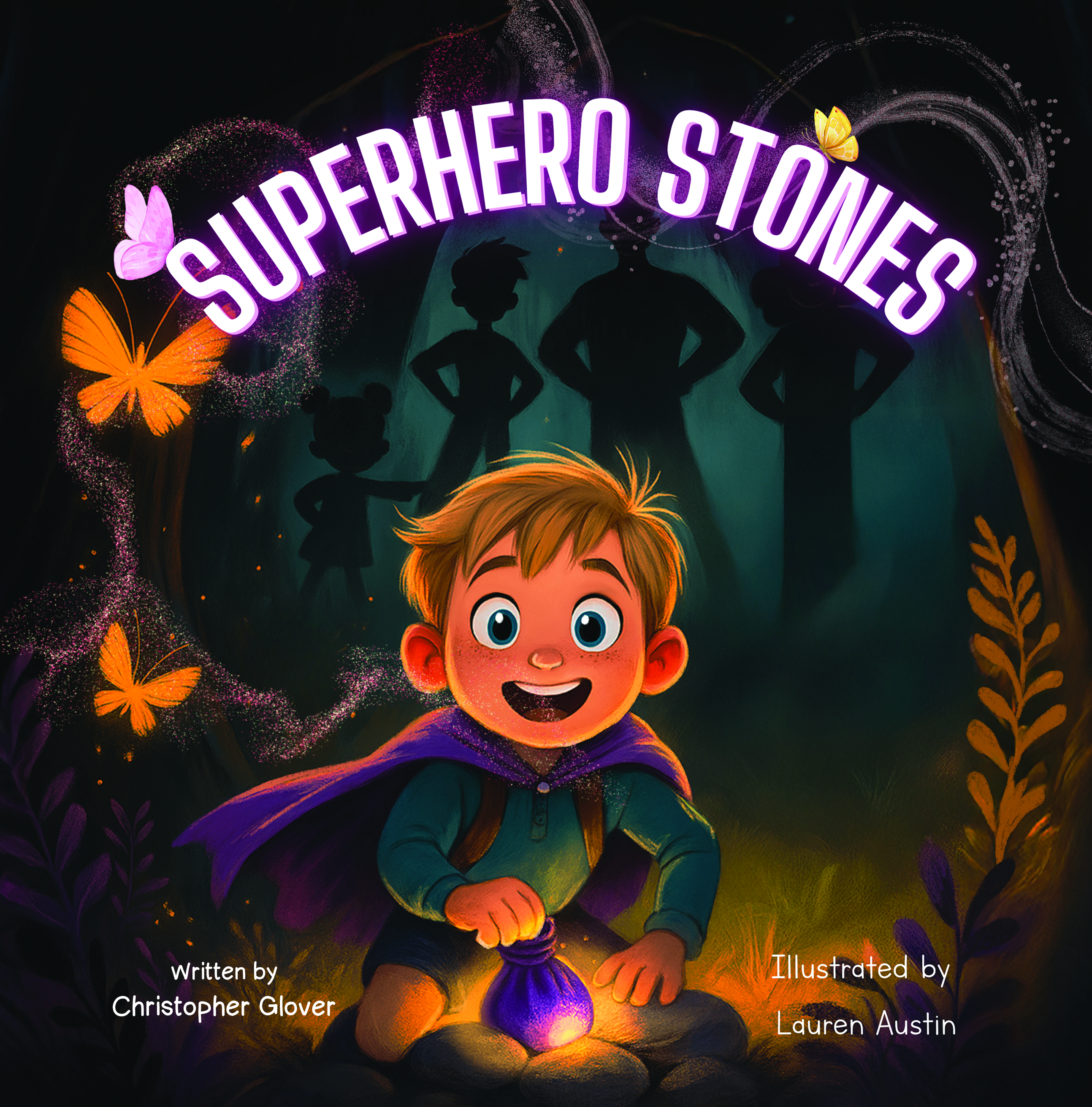
Christopher Glover is the author behind ‘Superhero Stones’, the new superhero story for early readers.
What are the three most important things you have accomplished, aside from publishing a book?
Beyond publishing a book, my greatest accomplishments are my family. I am incredibly proud to be a father to three children, and to share my life with a beautiful, supportive wife. Together, they are my greatest source of pride and purpose.
In your own life, what influences and inspires you to write?
In my own life, I am most influenced and inspired by my son. He faces challenges that, in many ways, mirror those I experienced as a young boy. Watching him navigate these moments with resilience, honesty, and openness is incredibly powerful. I am deeply proud of the way he expresses his emotions and continues to grow through difficulty rather than retreating from it. His strength and willingness to talk about how he feels have been a constant reminder of the importance of emotional awareness, courage, and support. He is a major inspiration behind my work and the themes explored in this book.
What book or author has had the biggest impact on you and why?
Nick Bland inspires me through his ability to create engaging stories that carry strong, meaningful morals. His books are both entertaining and deeply thoughtful, and they pair this with incredible illustrations that bring the stories to life in a way children truly connect with.
How would you summarise your book?
Not all superheroes wear capes. Some carry stones.
Sometimes heroes need saving too.
What were your first experiences with writing?
My first experience with writing was a series of late nights driven by passion, reflection, and love for my family. Inspired by my son and the challenges he has faced with such resilience; I found myself putting thoughts to paper that had lived in my heart for years. Once I began, the story seemed to write itself. It felt less like creating something new and more like giving a voice to a message that had been waiting to be told.
In your opinion, what are the key ingredients for a good story or novel?
For me, the key ingredients of a strong children’s book are humour, emotional connection, and relatability. The best stories feel real to a child’s world while still being fun and engaging. Powerful illustrations are just as important, especially for younger readers, as they help bring the story to life and deepen the impact. Above all, I think a great children’s story has an underlying moral that is felt rather than forced, leaving a lasting impression.
How long do you spend writing every day?
I am always writing. As a carpenter by trade, whether I’m on my commute, swinging a hammer, or designing a house, I’m constantly thinking of new concepts and ideas and building on them bit by bit. I might not always be in front of a notepad, but I’m always writing in my mind, developing stories and refining ideas throughout the day.
How long did you spend writing this novel?
The concept for this book has been developing over many years. It grew gradually through lived experience and inspiration, which ultimately brought the story to life. Once I began putting pen to paper, it took a few months to shape it into a version I was truly happy with.
What was the most challenging part of writing this book, and what did you learn from writing it?
The most challenging part of writing this book was learning how to create impact without relying on more pages or extensive text. It was a careful balance of using simple, strong wording alongside subtle illustrative ideas to ensure the message remained powerful without being highlighted. I found that restraint was just as important as creativity.
One key learning for me is that the writing and visual concepts work best when developed in parallel. For future books, I would aim to collaborate more closely on story and illustration from the beginning, so the narrative and visuals can strengthen each other more naturally throughout the process.
What did you find most helpful when writing this book?
The most helpful thing when writing my book was the support of my family. Their courage and resilience inspire me more than words can express. They also, at times, drive me completely crazy (in equal measure), but in the best possible way, and always with love. They are a constant reminder of why these stories matter and who I’m really writing for.
What writing advice would you offer to your younger self?
If I could offer writing advice to my younger self, I would say that stories with impact have the power to help not only the writer, but many others who read them. Sharing your experiences, thoughts, and story through a fun and engaging narrative (supported by fantastic illustrations) can help others feel less alone too.



29 June, 2026