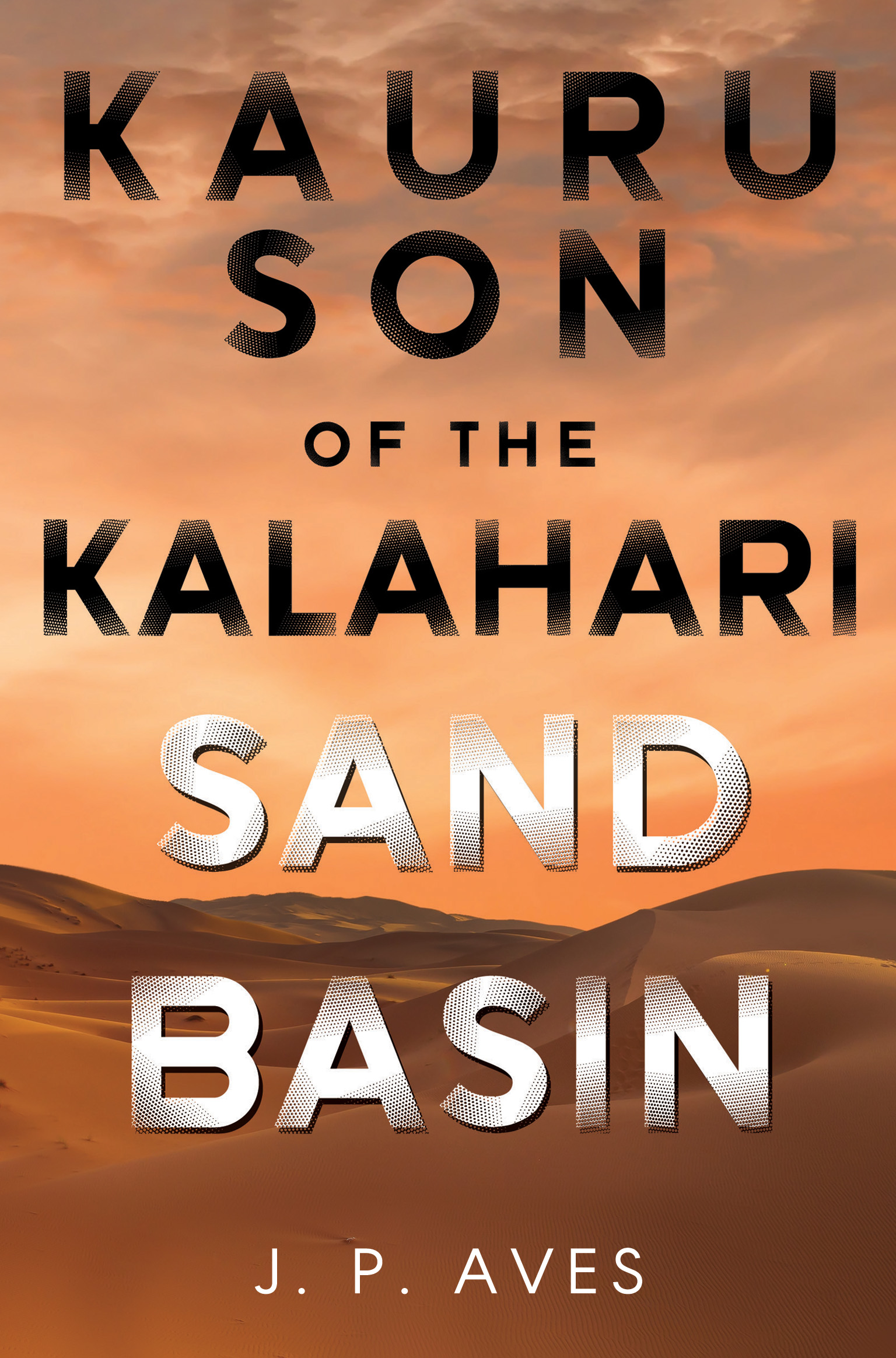
These stories and events are from personal experiences of working in bush schools and visiting remote areas in the Kalahari region, which taught John Aves more about the ‘truth’ of the lives of a disadvantaged people and ‘stirred’ him to try and write a story from their point of view, encompassing the elements of a ‘disappearing or near-extinct nation’ facing a world which does not tolerate a people who are different culturally and physiologically.
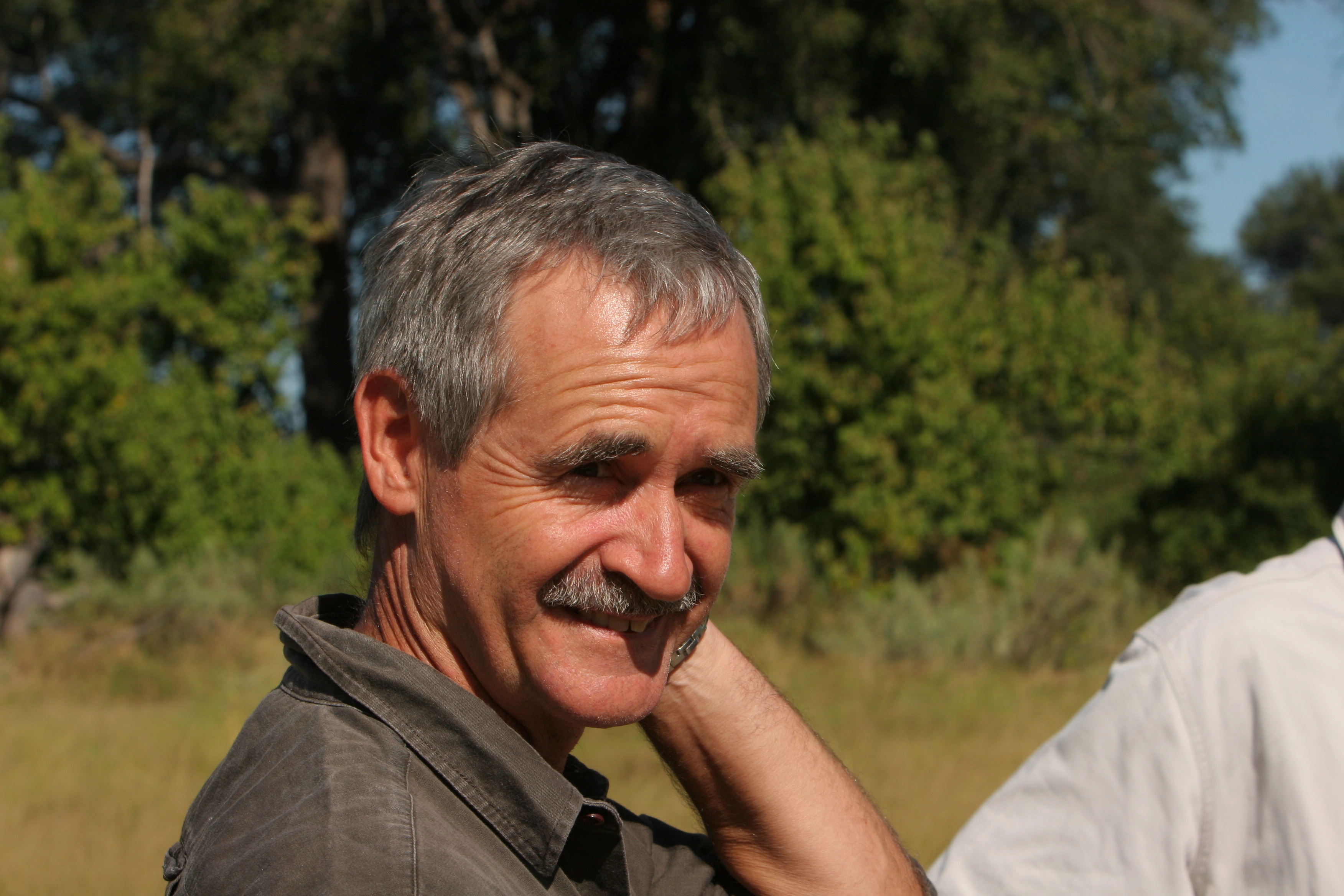
John Aves has lived and worked in Botswana, Africa, for most of his adult life. He arrived in Botswana at a tender age of twenty-four. He was privileged to live in the Okavango Delta and, further to this, worked as an environmentalist in Chobe Game Lodge. His travels took him into the Kalahari Desert, Central Kalahari Game Reserve and Khutse Game Reserve. This has provided John Aves with the background material and experiences for this story.
Here, the author John Aves transports readers into the vast and ever-changing landscapes of southern Africa, where the ancient forces of nature have shaped the Kalahari Sand Basin and the life within it. From the slow, life-giving waters of the Okavango Delta to the harsh beauty of the desert, this is a world of extremes, resilience and delicate balance. Against this rich and evolving backdrop emerges the story of Kauru, a child of the sands, bound to a land where survival depends on understanding nature’s rhythms. Blending natural history, ecology and human experience, this work explores the deep connection between environment and identity in a place where the past and present are forever intertwined.